
The Hold and Win mechanic has firmly established itself as a cornerstone of modern video slots, achieving enormous popularity in the UK and across Europe. At its core, this game engine focuses on locking valuable bonus symbols in place during a special respin feature, but the full payout picture reaches much deeper. Every Hold and Win title layers standard line wins, scatter pays, and a multi‑level bonus round that can include fixed jackpots, symbol‑based cash prizes, multiplier boosts, and extra spin triggers. For the analytical player, analyzing how winning combinations are formed and how payouts are calculated uncovers the mathematical heartbeat of these games. This exploration delivers a comprehensive breakdown of winning combinations and the payout structure, using a practical lens that helps players understand what to expect from any given session. By reviewing the interplay between base game paytables, bonus activation rules, and volatility, readers will acquire a clear framework for judging the potential of Hold and Win titles.
How Winning Combinations Are Formed on the Reels in Hold and Win Games
In most Hold and Win slots, the base game utilizes a fixed‑payline configuration—often 20, 25, or 40 lines—or a ways‑to‑win engine where matching symbols on adjacent reels create a win regardless of position. Winning combinations typically form from the leftmost reel, requiring three or more identical symbols, although some low‑pay symbols may trigger with just two. Wild symbols replace all regular paying symbols, helping complete line wins, but they rarely substitute for the bonus symbols that power the Hold and Win feature. Scatter symbols, usually represented by a game logo or free spin icon, award payouts multiplied by the total bet when a minimum number appears anywhere on the reels. This layered architecture ensures that while players wait for the main Hold and Win bonus, smaller line wins keep the balance steady. Understanding these foundational combinations is crucial, because the bonus round’s potential is often benchmarked against the base game’s average return, giving context to both small and large payouts.
Return to Player and Volatility Influence on Prize Patterns
A thorough grasp of Hold and Win payback cannot ignore the integrated return‑to‑player rate and the variance profile that governs how regularly and how much the game distributes. Hold and Win slots usually offer an RTP varying from 94% to 96.5%, with the exact figure published in the game guidelines. This value reflects the expected long‑term yield, but it is distributed irregularly across the main game and the special mode. Commonly, a significant part of the RTP—commonly 50% to 70%—is reserved for the Hold and Win feature and its associated progressive wins, while the leftover portion funds line wins and scatter payments. Aggressive versions at the Hold and Win Games site build that reserve intentionally, contributing to greater dry spells between bonus activations but bigger potential winnings when the round ultimately starts. Conversely, lower‑volatility entries initiate the bonus more often, yet the symbol prizes limits and jackpot amounts are more conservative. By cross‑referencing the prize table’s top win capability and the listed variance, a gambler can tailor a game with a individual risk preference, understanding that a title with a 5000x max win and high https://community.fandom.com/wiki/Adoption:Casino_Cups_Wiki risk will require more persistence and a larger bankroll than a stable 1000x alternative.
Popular Paytable Variations Throughout Diverse Hold and Win Titles
The term Hold and Win encompasses a notably diverse family of mechanics, and players who explore the Hold and Win Games platform rapidly see that no two paytables are identical. Some titles follow a straightforward 5×3 grid with 25 paylines and a direct cash‑coin bonus, while others incorporate expanding reels, sticky wilds during the feature, or a specific Grand jackpot that only triggers when the full screen fills. A typical variation includes adding magnetic or collector symbols that collect all visible cash values before locking, greatly boosting the total win. Another frequent twist is the Boost feature, which enhances cash‑on‑symbol values randomly during the hold phase. Power Hold and Win variants increase the bonus symbol frequency but lower individual coin values, trading quantity for consistency. Meanwhile, Mega Hold and Win editions offer oversized symbols that span multiple positions, improving the chance of a full grid. These differences are not just cosmetic; they immediately affect the feature frequency and the expected payout distribution. By evaluating paytable configurations and rule sheets across the Hold and Win Games catalogue, a player can choose a title that matches the desired balance between regular action and life‑changing jackpot potential.
Multiplier Features and Bonus Spin Dynamics
Using Multipliers in the Hold and Win Round
Multiplier tokens constitute one of the most impactful enhancements present in the Hold and Win bonus. When a multiplier symbol appears, it lacks a cash value itself; rather, it enhances the total accumulated prize at the end of the feature by a specified factor. Common multiplier amounts include 2x, 3x, 5x, and occasionally 10x, with the symbol either remaining fixed like a regular bonus coin or taking effect right away and then vanishing. In games where the multiplier stays in place, it may affect only the values collected so far, or it can multiply the entire final total, including all subsequent symbols. Some titles from the Hold and Win Games selection introduce cumulative multipliers, where multiple multiplier symbols combine additively—two 2x symbols resulting in a 4x boost—while rarer implementations permit multiplicative stacking for extraordinarily large results. The timing of a multiplier appearance significantly changes the expected value of a bonus round: an early 5x symbol sets the stage for a massive total even with modest cash coins, while a late multiplier can salvage an otherwise disappointing feature. Players who want to gauge a game’s volatility should check the multiplier frequency in the paytable.
Additional Spins and Retrigger Conditions
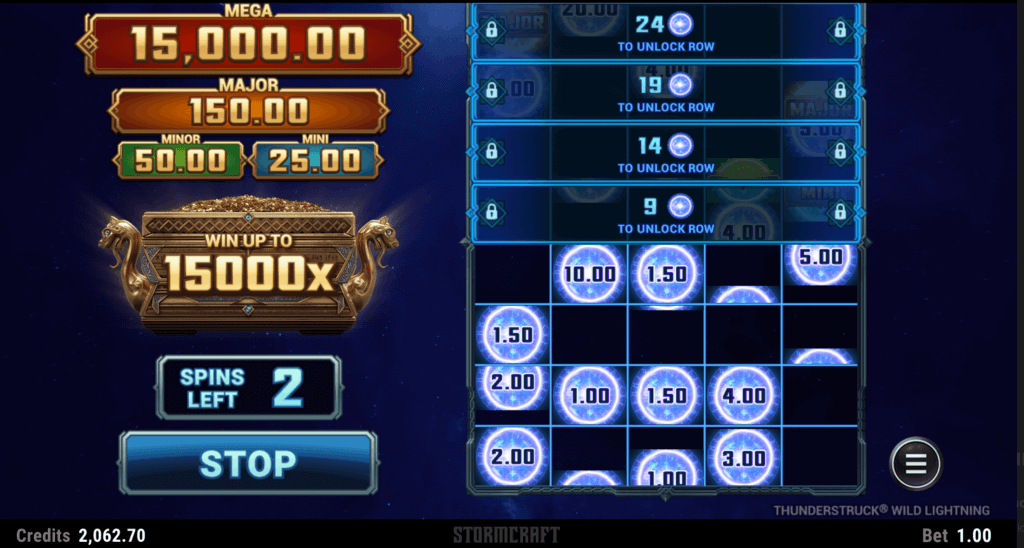
Additional respins are a crucial part of the Hold and Win suspense build, as they lengthen the feature and raise the likelihood of filling the grid. Most common Hold and Win games initiate the bonus with three respins, but extra spin symbols—often shown as a plus icon or a certain boost token—can appear at any time during the locked stage. When one lands, it adds a predetermined number of additional respins to the tally, typically one to three extra spins, without resetting the count to three. This subtle difference means a player on zero respins can suddenly receive a lifeline, keeping the round alive. Some variants present a retrigger condition where filling an entire column or row awards an extra batch of spins. Furthermore, certain titles utilize a ‘respin until win’ format that assures a minimum payout threshold. The Hold and Win Games platform displays a variety of implementations, from simple extra spin awards to complex retrigger ladders that reward consecutive completions. Savvy players recognise that extra spin symbols effectively act as non‑cash value boosters that extend the round’s duration, implicitly raising the average final payout by giving more opportunities for high‑value symbols and jackpots to appear.
Award Symbols and Prize Tiers in Hold and Win Games
Coin Values
At the core of every Hold and Win feature is the symbol cash system. Each feature symbol that lands and locks during the feature displays a numeric award, which is a set value or, frequently, a bet multiplier. Common value ranges run from 1x to 15x the stake, although high-end variants within the Hold and Win series can raise limits to 25x or more. The awarded amount is taken from a weighted pool, meaning minor wins appear much more often than the top values, a pattern that directly influences the feature’s reward pace. As new symbols become locked, these amounts accumulate, giving the overall win a transparent and straightforward progression. As an illustration, collecting four symbols carrying 2x, 5x, 8x, and 12x results in an immediate 27x total bet payout prior to any multiplier boost. This simple accumulation system lets players to estimate payout potential visually as the grid becomes full, adding a layer of tactical excitement without intricate calculations.
Prize Tiers and Their Collection
The majority of Hold & Win titles incorporate a dedicated jackpot ladder—usually three set jackpots called Mini, Minor, and Major, alongside the final Grand jackpot. Different from the symbol cash awards that are found on single symbols, these jackpots are designated for special symbols or are granted when particular criteria are fulfilled during the feature. The Mini and Minor jackpots usually carry values of 20x to 50x the stake, the Major typically sits between 100x and 500x, and the Grand can hit thousands of times the bet, sometimes attaining game-changing totals in connected progressive setups. To secure a jackpot, a player must land the matching jackpot symbol, which then locks the same as a cash symbol, or, in some designs, fill an entire row or the whole grid to trigger the Grand. The Hold and Win Games platform showcases multiple games where accumulating a specific number of jackpot symbols instantly unlocks the Grand prize. Because these jackpots are added to the cumulative coin values, they frequently transform an already profitable bonus round into an remarkable payout occurrence, and their presence is a primary reason players favour this mechanic.
The Hold and Win Mechanic: Activating and Symbol Locking Process
The defining moment in any Hold and Win title occurs when a fixed count of bonus symbols—usually six or more coin or diamond icons—land simultaneously on the base game reels. This event activates the namesake feature, removing all regular symbols and fixing the triggering symbols in their positions. The player gets three respins to start; during each spin, only bonus symbols or special symbols can land, and any new bonus symbols that appear also lock in place and reset the respin tally back to three. The feature continues until the player exhausts all respins without adding fresh symbols, or until every reel position is filled with locked symbols. At the conclusion, the total win is calculated by summing the face values of every locked bonus symbol, including any jackpot labels, and applying applicable multipliers. This progressive accumulation mechanic generates a tangible sense of anticipation, as each additional symbol pushes the total payout higher, and it is the bedrock of the Hold and Win popularity.
FAQ
What exactly triggers the Hold and Win bonus round?
Most Hold and Win games need six or more bonus symbols—often golden coins or diamonds—to appear simultaneously on the reels during the base game. The triggering symbols lock in place and the screen resets to show only special symbols, giving three respins. Any further bonus symbol that lands also locks and restarts the respin count back to three, until no additional symbols appear or the grid is full.
In what way do cash-on-symbol prizes work?
Each locked bonus symbol reveals a numerical cash value or a multiplier of the total bet. Values typically range from 1x to 15x, but some titles hit 25x or higher. The prizes are combined at the end of the feature. The distribution is adjusted, so smaller amounts land far more often than large ones, determining the overall payout rhythm of the bonus.
What exactly are the Mini, Minor, Major and Grand jackpots?
These are static or progressive jackpot tiers specific to the Hold and Win feature. Mini and Minor jackpots usually sit between 20x and 50x the stake, Major between 100x and 500x, and Grand can reach thousands of times the bet. They are obtained by landing the corresponding jackpot symbol or, in some variants, by filling the entire screen with locked symbols.
Is it possible for multiplier symbols land during the hold feature?
Absolutely, many Hold and Win titles feature multiplier icons that increase the total gathered value. Multipliers such as 2x, 3x or 5x may lock on the reels or trigger instantly. In certain games, multiple multipliers can accumulate or even multiply together. Their occurrence can dramatically escalate the final payout, especially when paired up with a near‑full grid of coins.
Do extra spins affect the final payout?
Extra spin symbols prolong the bonus round by awarding one to three additional respins without reducing the counter to three. This prolongs play and offers more possibilities for high‑value symbols and jackpots to land, indirectly raising the expected final payout. Games with regular extra spin tokens tend to produce higher average bonus returns, even if individual coin values remain modest.

To what extent does volatility affect Hold and Win payouts?
High‑volatility game hold and win games set aside a larger portion of the RTP for the bonus round, causing less frequent triggering but significantly larger possible payouts when the feature activates. Low‑volatility versions trigger the hold feature more often but restrict cash‑on‑symbol amounts and jackpots at lower levels. Picking a game based on volatility helps match the gameplay to a player’s bankroll and patience.
Where exactly can I find detailed paytable data for Hold and Win games?
The exceptionally reliable paytable details are accessible directly inside each game’s details or help section. Additionally, the Hold and Win Games platform features a curated library with game rules, RTP percentages, and paytable overviews, letting players to inspect symbol values, jackpot tiers, and bonus conditions before playing. Reviewing this data helps set realistic expectations for both the base game and the Hold and Win feature.